Building on a Rich History
Campfield has always been a place where people come together.
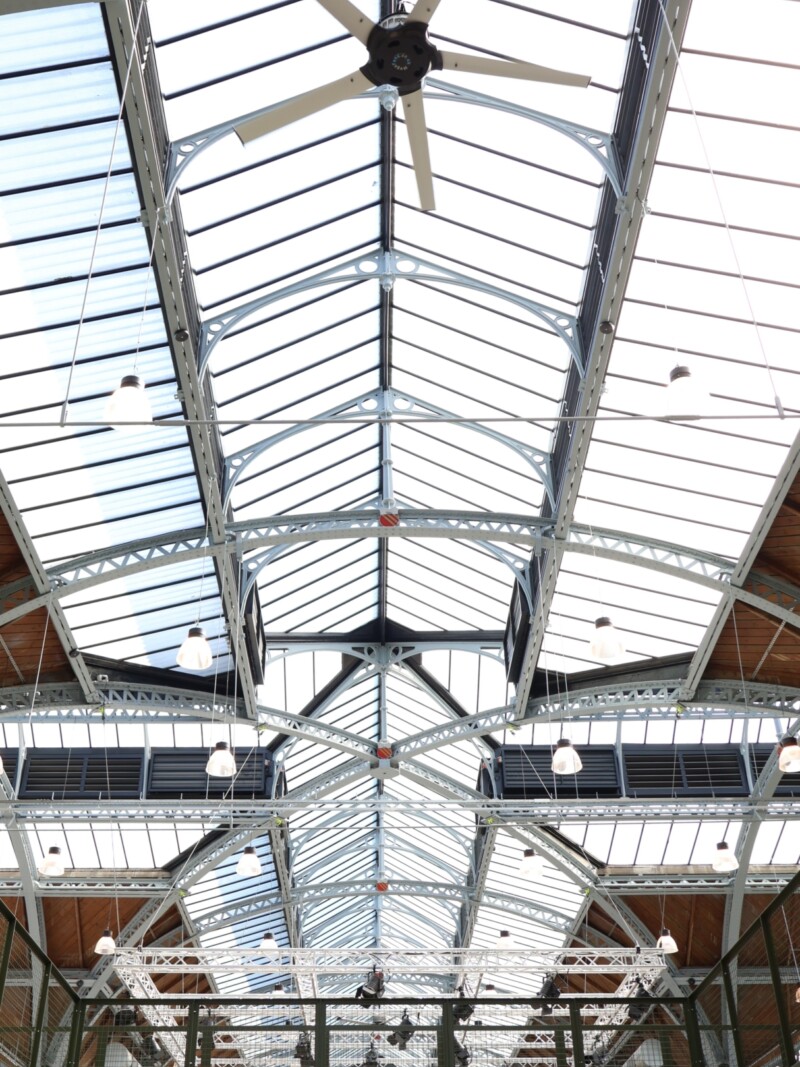
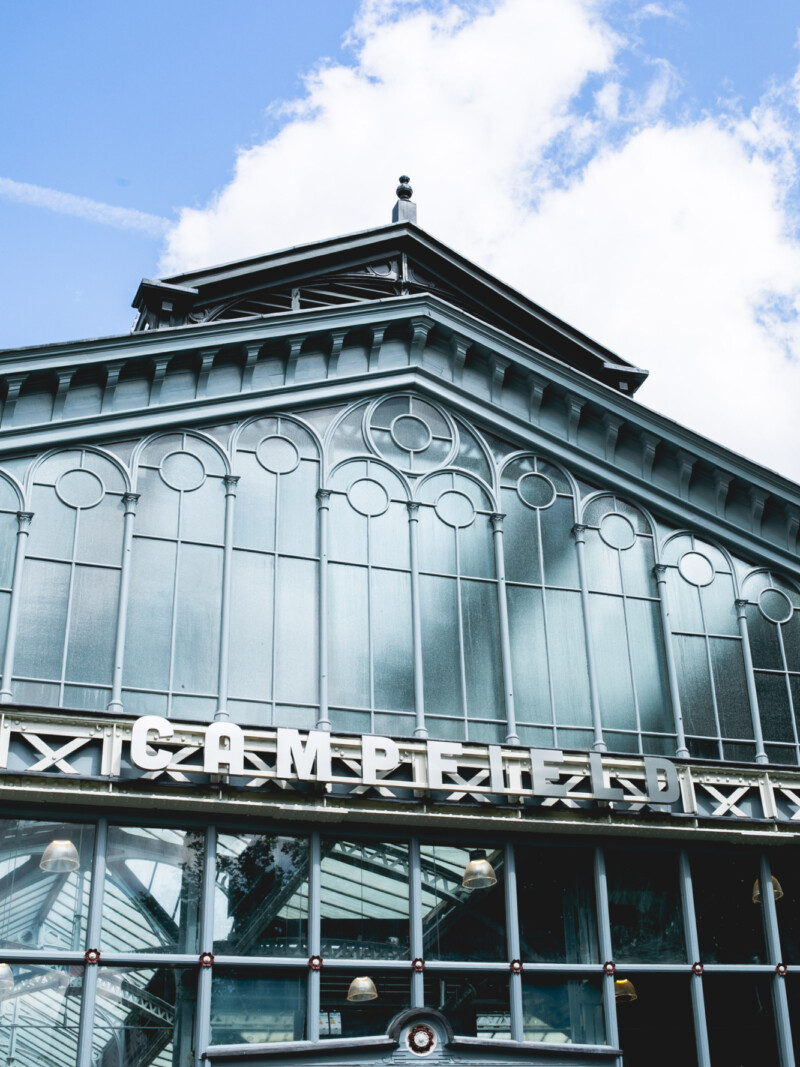
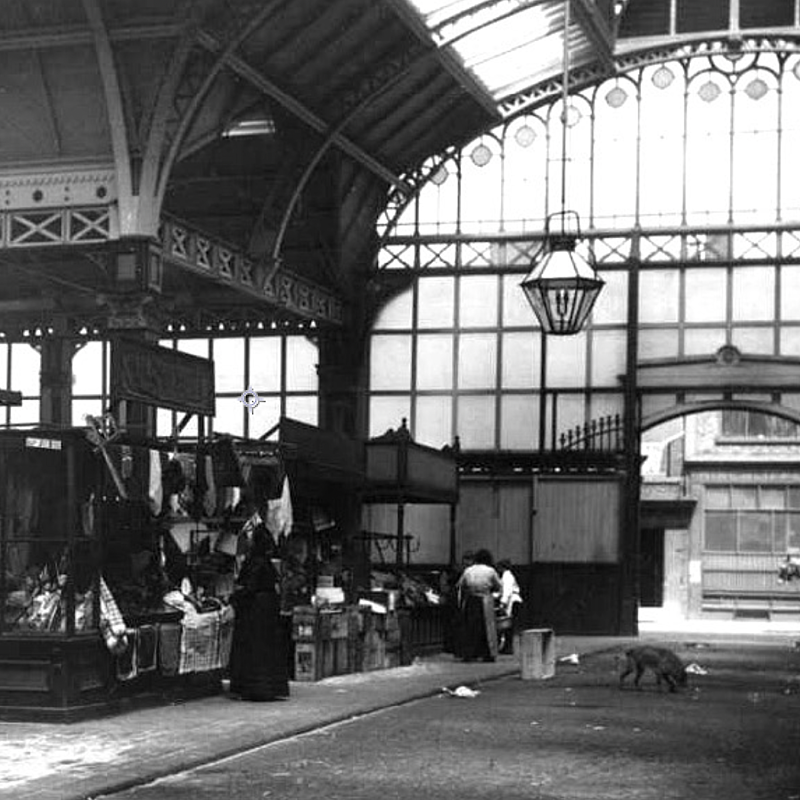
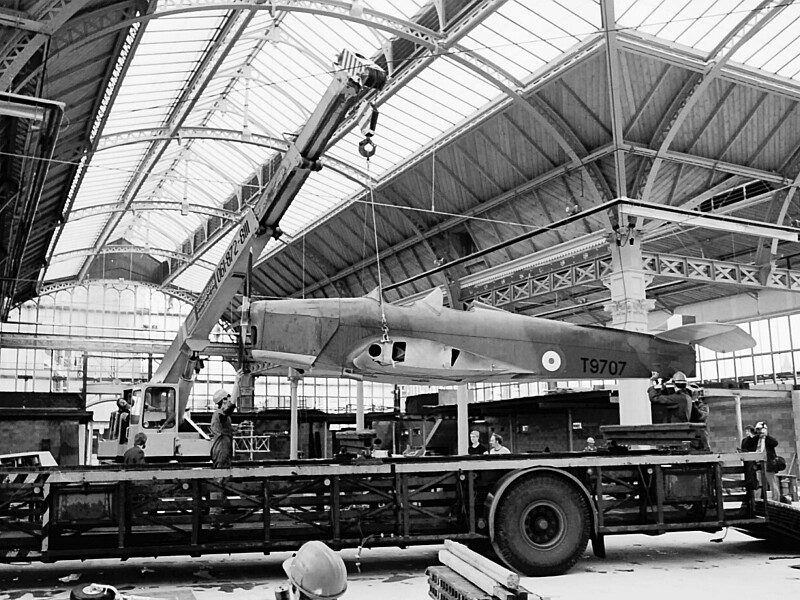
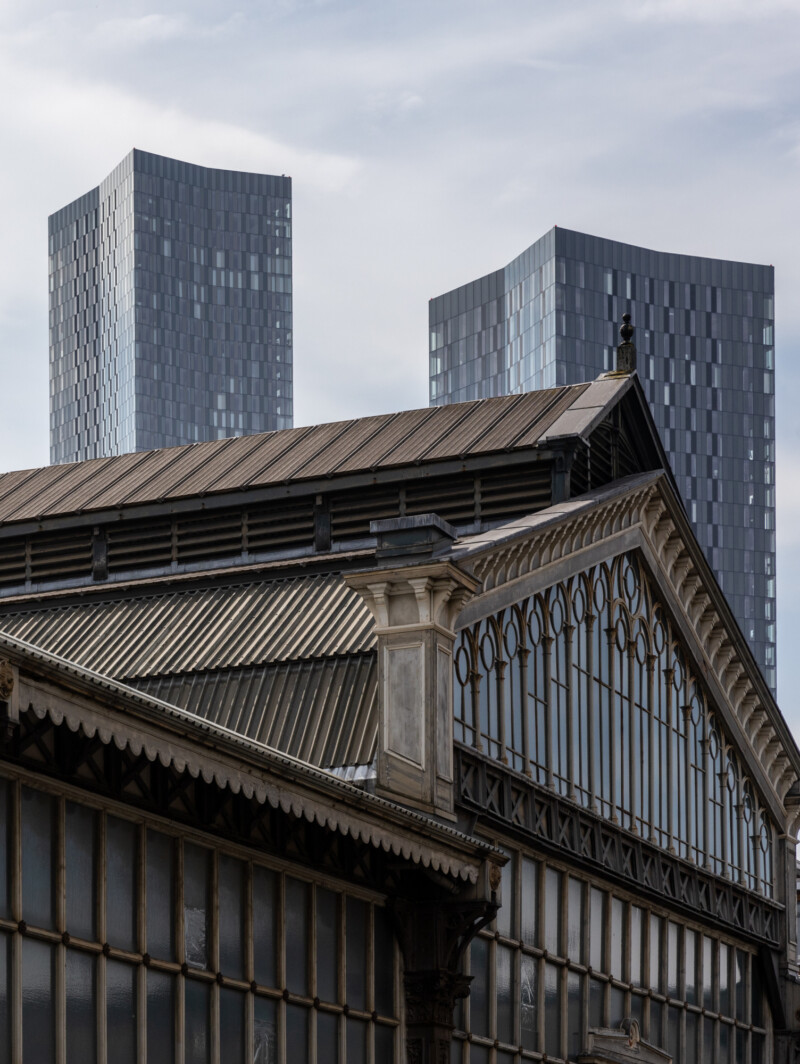
From its origins as a Victorian market hall to its later life as an exhibition space, it has played many roles in Manchester's story. But as the city has modernised, Campfield's purpose began to look uncertain. By 2021, the building stood empty, the Air and Space Hall permanently closed, the Grade II-listed fabric structurally compromised, caught between heritage status and an urgent need for reinvention. The challenge wasn't how to preserve the building, but how to give it new relevance.
The timing of that question matters. Manchester is now the UK's fastest-growing tech and digital economy outside London, home to over 10,000 tech businesses, a £5 billion digital ecosystem, and a creative industries sector generating £1.4 billion in GVA and supporting 48,000 jobs across Greater Manchester. The city isn't short of ambition or talent. What it needs is space built to match both.

A Bold Vision for the Future
Allied London invited us to work with them to shape Campfield's next chapter. Backed by £17.5 million of Levelling Up funding, the largest single allocation in the North West, the brief was to create a new design concept to reignite its relevance and purpose. A place where a new generation would want to spend time. Across 130,000 sq ft spanning two Victorian market halls and a third office building, the scale of the opportunity was as significant as its complexity.
Conceived as more than a workplace, our mission was to create an innovation hub that brings people together, sparks collaboration, and inspires creativity for the next generation of businesses.
We started by understanding the building and its setting in Castlefield: an area shaped by industry, innovation and reinvention. From this came a simple organising idea — Air + Space + Cloud — a way of thinking about openness, flexibility and connection, both physical and digital.
This idea became the framework for the entire project. It informed how people move through the building, how spaces adapt over time, and how work, community and culture could exist together.

Industrial Rehab
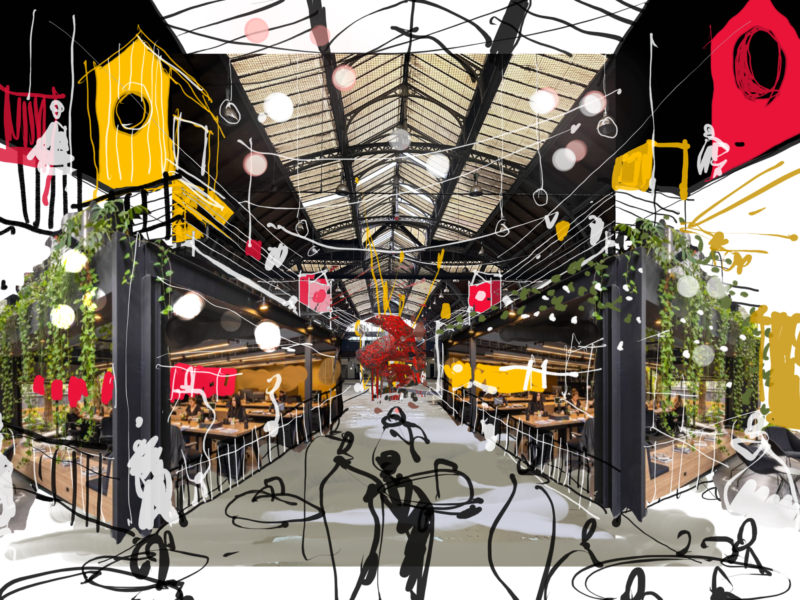
Inspired by the rehabilitation and creative reuse of buildings in the docklands and industrial hinterlands of New York and the Netherlands, we put pen to paper to flesh out a design concept for the campus.
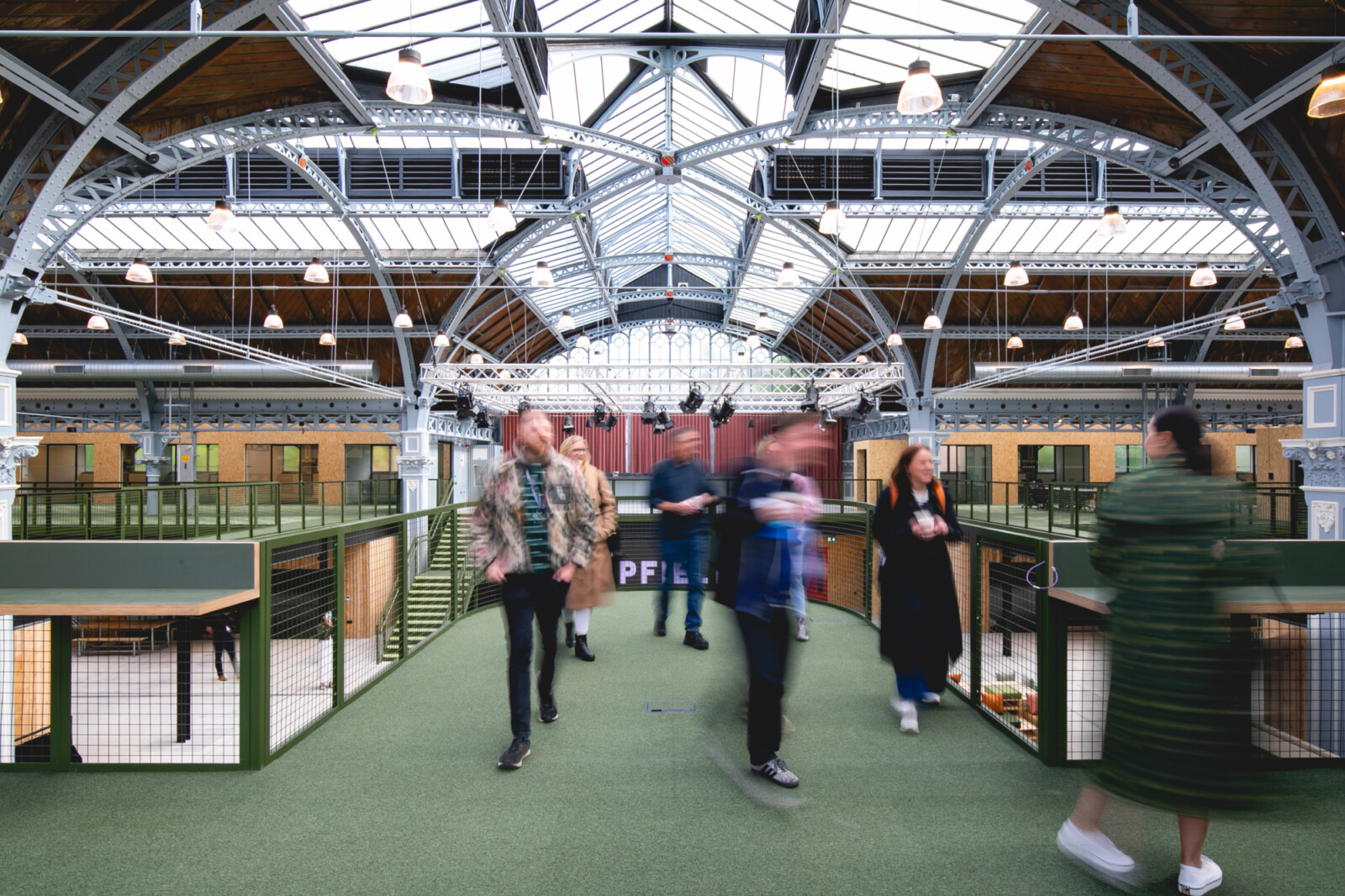
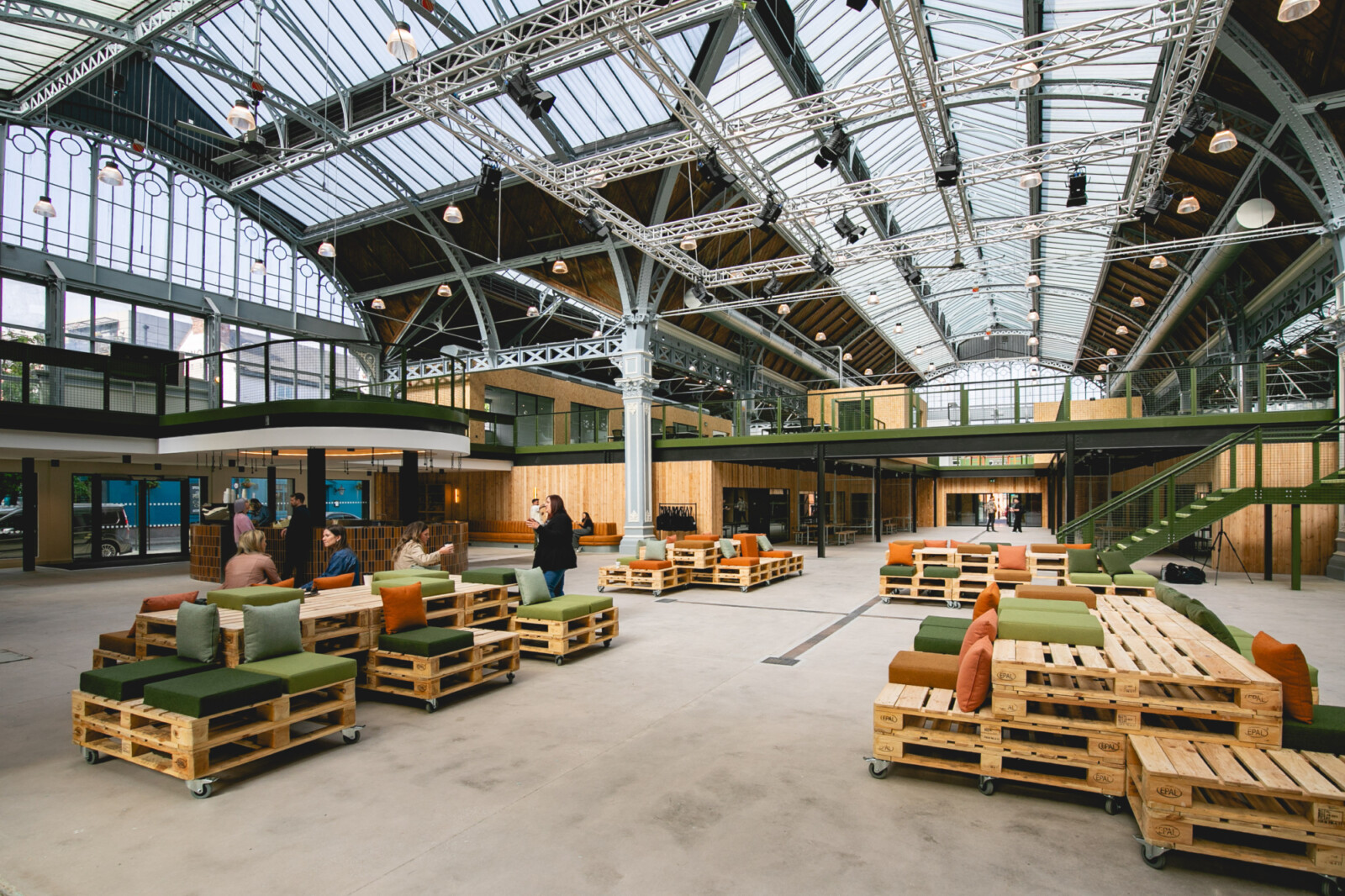
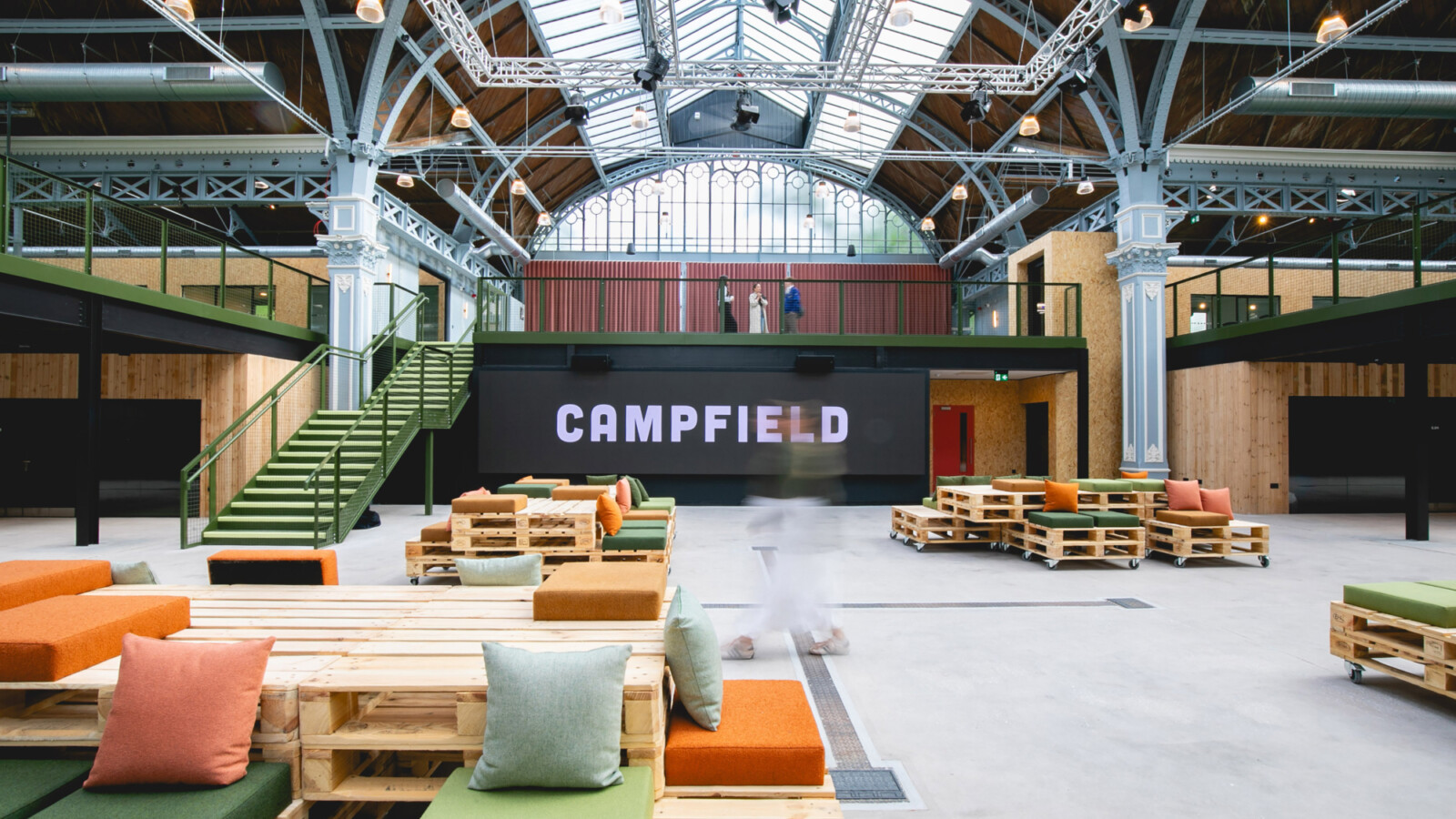
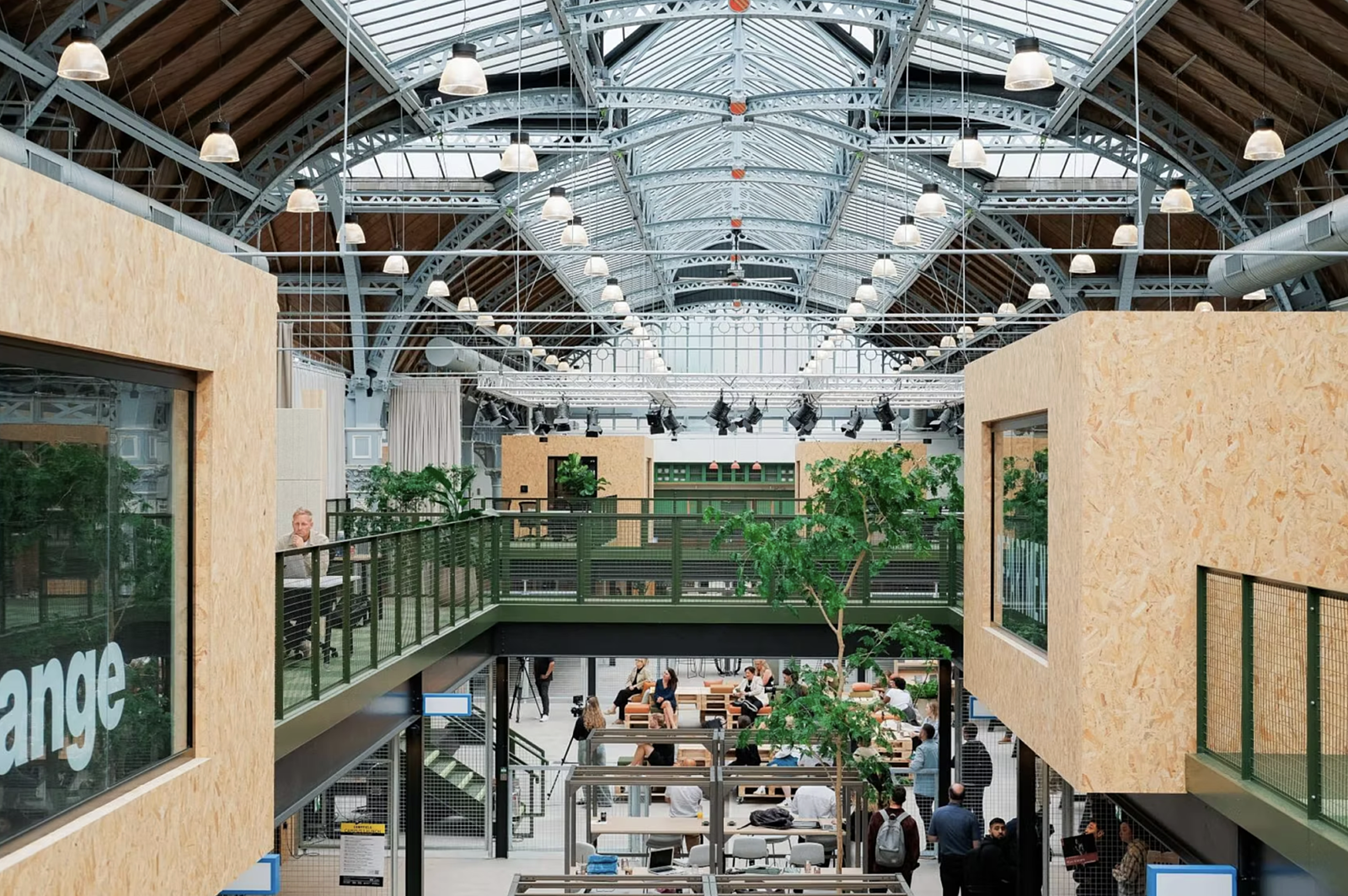
The ground floor brings energy and flexibility to the forefront, with modular studio spaces designed to adapt to the changing needs of tech startups. 'Garden-office' areas spill into the central atrium, a planted "green street", a meeting space where spontaneous conversations spark innovation. The Central Spine acts as the place where random meetings happen between studios: the kind of unplanned collisions that research consistently links to the ideas that actually change things.

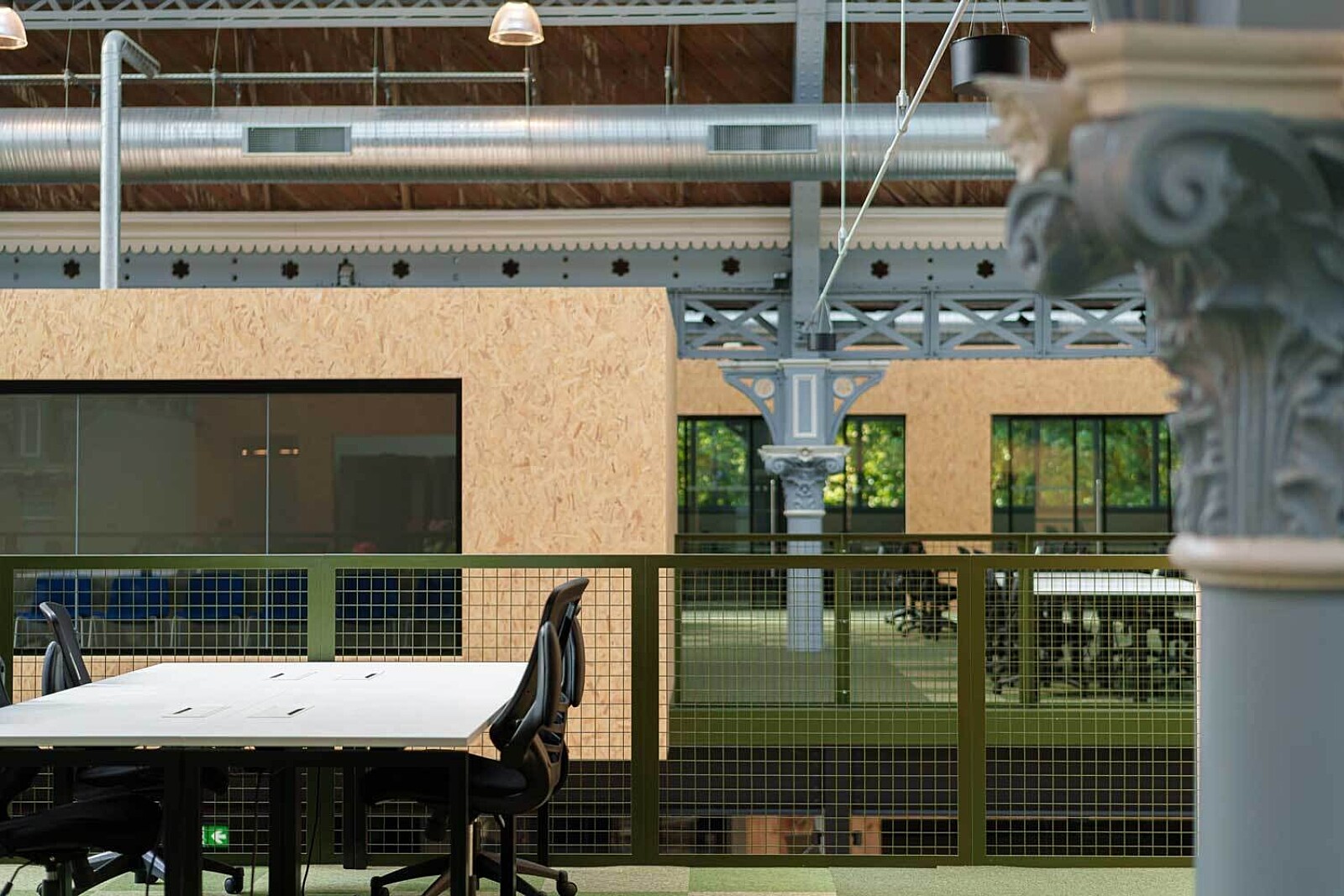
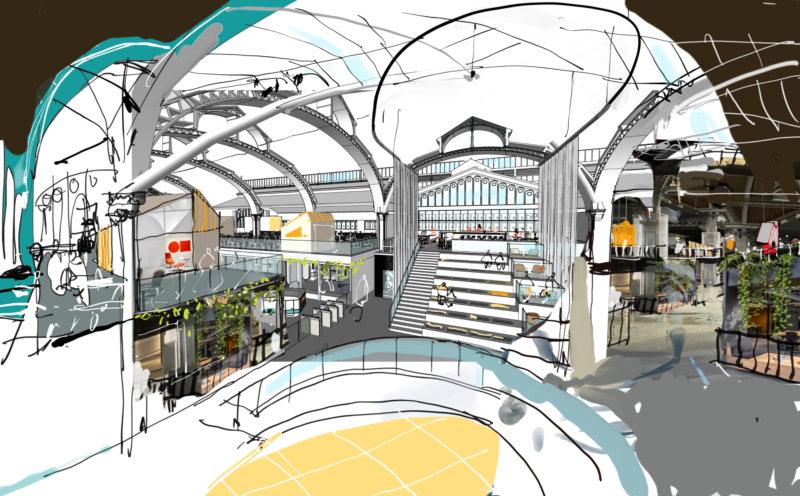
The mezzanine level opens up into a flexible co-working zone, filled with unique meeting pavilions that create intimate, creative spaces. It's where teams can collaborate, innovate, and grow together.
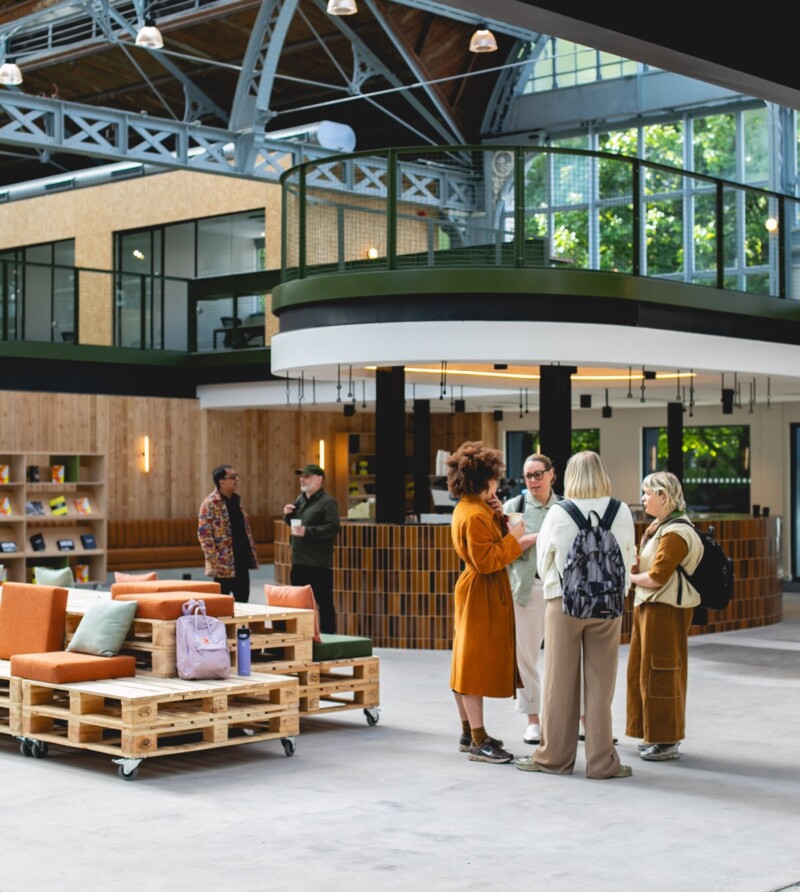
At the centre of it all is a social hub: a dynamic event space, café, bar, and lounge designed to bring people together, nurture connections, and foster a sense of community. In an era where hybrid working has made the office optional, the case for coming in has to be compelling. This is it.


A Collaborative Process
Alongside the spatial vision, we helped articulate the story of Campfield in a way stakeholders could understand and get behind. Through narrative-led materials, including a concept newspaper and brochure, we made the future of Campfield tangible, supporting engagement, alignment and progress through planning.
That story-first approach wasn't just good communication. For a project of this scale and public significance, with Manchester City Council, Allied London, heritage architects, engineers, and community stakeholders all at the table, a clear and compelling narrative was as important as any floor plan. It gave every party the same picture of what Campfield was becoming, and why it mattered.
A New Life
Today, Campfield is open and operational as Manchester's tech, media and creative campus, a destination that Allied London describes as built to "accelerate innovation, fuel business growth, and tackle global challenges." The Exchange tech accelerator, which has already supported the founding and growth of over 120 businesses at its predecessor site, has found its permanent, supersized home here.
The numbers projected over the building's lifetime reflect the scale of what was set in motion: 1,600 jobs created and a further 2,400 sustained over 15 years. But the more immediate measure of success is simpler than that. On Saturdays, thousands of people now come to Campfield Market, a weekly celebration of independent food, drink and retail that has restored the building's original purpose as a hub for culture, commerce and community. A Victorian market hall is once again a market.
For us, Campfield shows the value of taking a story-first approach to place-making, creating spaces with clarity, character and purpose, where people and ideas can thrive. The brief was to give a long-dormant building new relevance. What emerged is a building that, once again, belongs to the city.