Changing Perspective
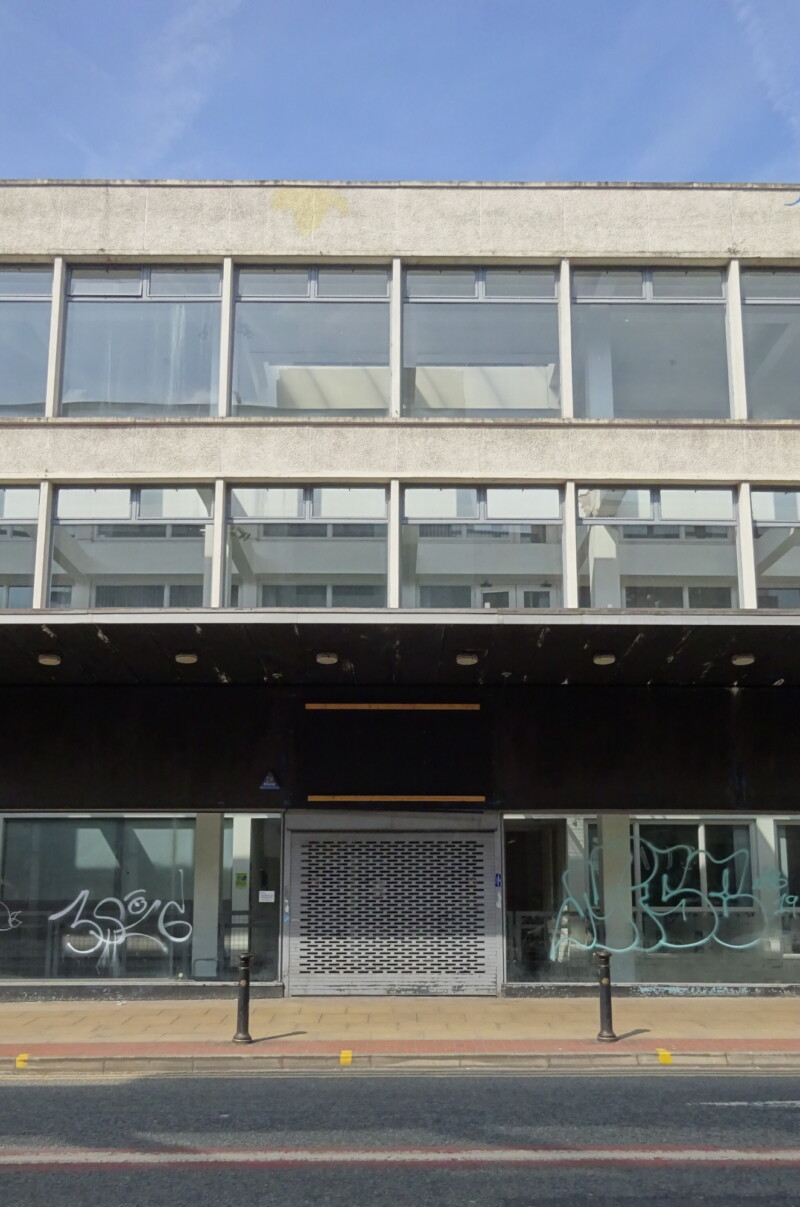
We love underdog buildings. Those overlooked gems hiding in plain sight, just waiting for someone to believe in them. 135–141 Oldham Street in Manchester's Northern Quarter was exactly that, a post-war modernist building that had quietly housed everything from a furniture shop to the Big Issue's Manchester offices, before falling into the kind of limbo that lets good buildings go unnoticed for years.
Bywater Properties saw its potential and asked us to help revive it. What followed was a project that tested everyone involved, and produced something genuinely special.
The Challenge
The building had a unique feature for its size: a three-storey atrium running inside the front facade. But rather than being a draw, it was dead space, a barrier between the street and the interior workspace that left the building feeling disconnected and uninviting. Getting that atrium to work was the key to unlocking everything else.
The project also had to survive serious adversity before it could reach completion. The original contractor collapsed into administration mid-build. Then Covid hit, stalling progress further. Bywater appointed CubicWorks to pick up the pieces and complete the £2 million refurbishment, a testament to how much everyone believed in what the building could become.

Concept
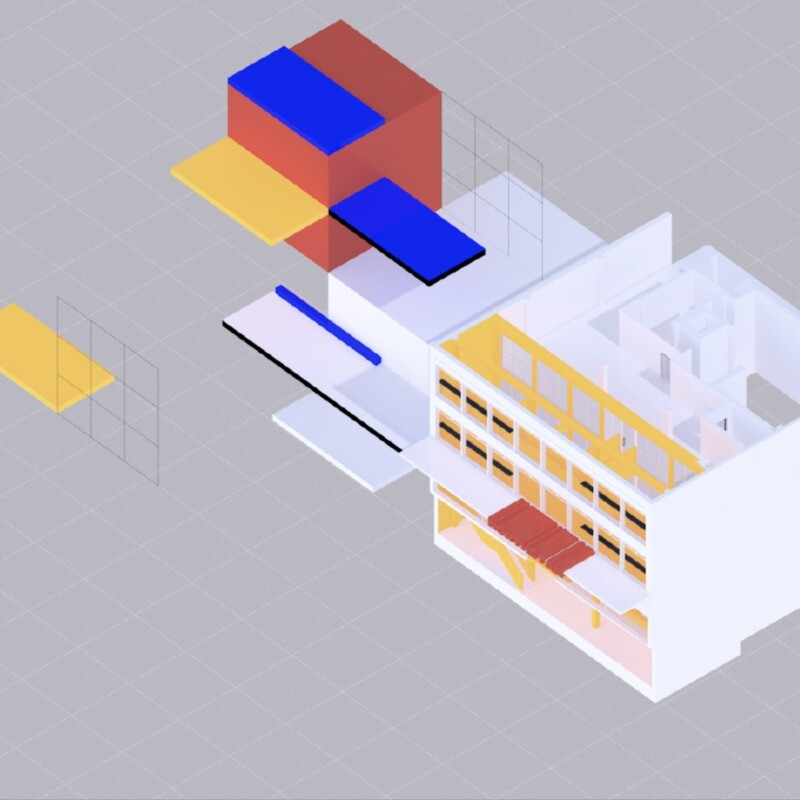
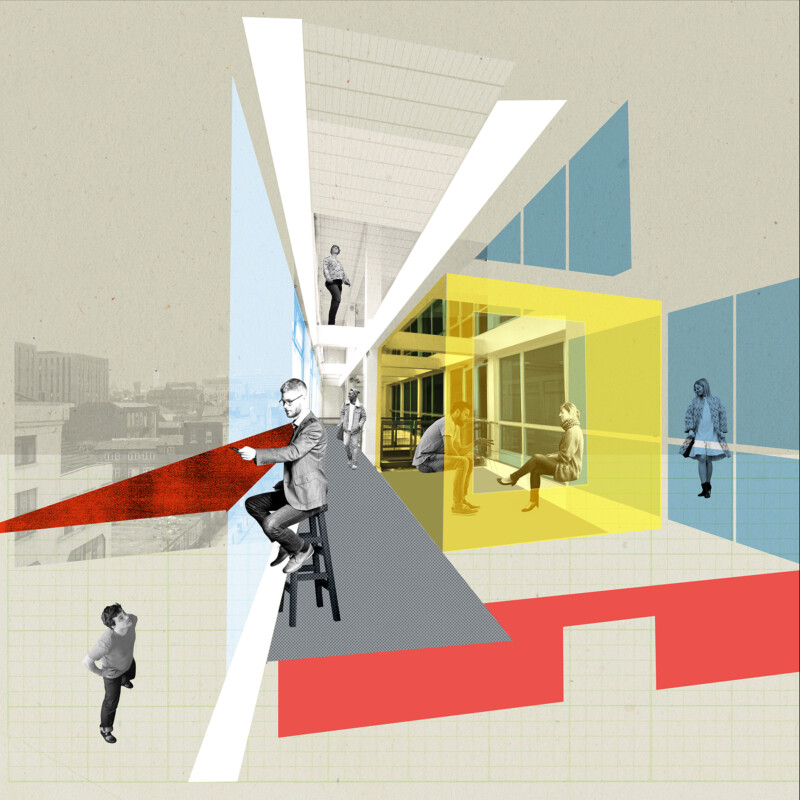
Our idea was to create a series of strong visual connections between the street, the atrium and the workspace beyond, drawing inspiration from the language of early modernism and the Bauhaus. Three structures, three colours, one coherent move.
The atrium was repurposed as breakout space with desks overlooking the street. Two new meeting rooms punch through into it as floating, coloured cubes. The front door is connected to the core interior with a dramatic red tunnel that signals something worth walking into. The facade receives extra animation through a giant graphic mural that visually connects the structural additions behind, making the design readable from the outside before you've even stepped through the door.


Building a Brand
With the creative strategy for the building in place, we set about giving it an identity worthy of its ambitions. Aimed at young, creative businesses who love the Northern Quarter, we rebranded it as Northstar, a name that nods to the building's location on the outer reaches of the quarter while signalling direction, energy and purpose.
The brand identity and graphic language drew directly from the bold architectural moves on the facade, bold, geometric, confident. As works completed on site we developed a teaser campaign, website and animated content to bring the building to market ahead of completion, building anticipation in a creative community that was exactly the audience we were designing for.


Connecting the Community
One of the things we love most is helping buildings come alive before the tenants arrive. Upon completion of Northstar, we celebrated by inviting people from the creative community in and giving them the space to do what they do best.
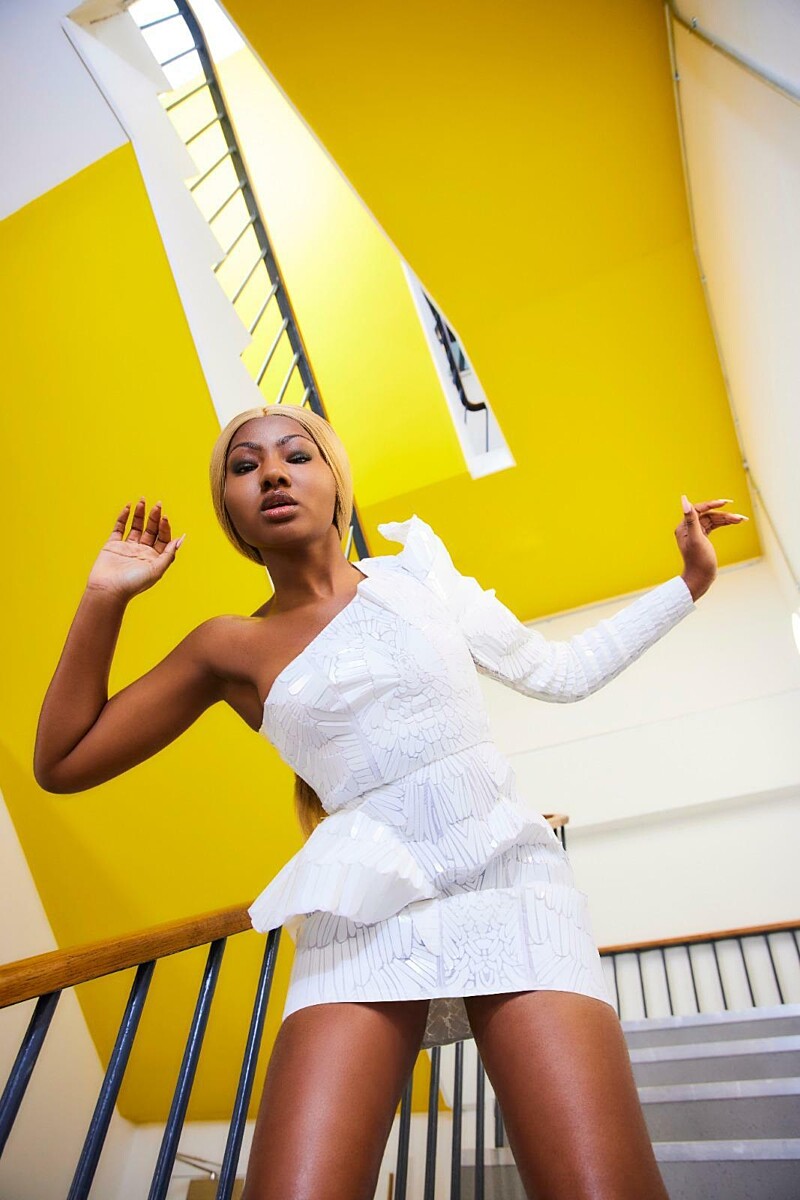
We invited photographer Madeleine Penfold and the champions of sustainable fashion at the Manchester Fashion Movement to collaborate with us, working with local clothing brands, students and models to host a fashion shoot in the building. It was exactly the kind of activation that tells a neighbourhood what a place is about, and invites the right people to pay attention.
Check out the movie below for the full story.

The Result
Shortly after completion Telcom Group, an internet and full-fibre service provider, signed a 15-year lease on the entire building, taking all 11,514 sq ft and relocating from their existing Manchester base. The deal was the largest office letting in Manchester in the first quarter of 2022.
Shortly after, the building sold for £3 million. And in a detail that felt like the natural next chapter, Sheila Bird was retained to design Telcom's fit-out, the studio that helped create the building now shaping the workspace inside it.
For a building that had spent years hiding in plain sight, Northstar found its moment. For us, it is a reminder that with the right creative vision, and the resilience to see it through, even the most overlooked buildings can become somewhere everyone wants to be.